Hearing Aids Cheshire
The Impact of Regular Adjustments on Hearing Aid Performance
Regular maintenance of hearing aids significantly enhances their performance and reliability. Cleaning devices and inspecting components help prevent the build-up of dirt and moisture, which can lead to malfunctions. Many users often overlook these t...
Read more →
How to Communicate Your Hearing Needs to Your Audiologist
Communicating your preferences regarding technology can significantly enhance your audiology experience. Many individuals have specific ideas about the types of devices they would like to explore. Whether you prefer the latest digital hearing aids, B...
Read more →
Preparing for Your Hearing Aid Adjustment Appointment
Preparing for your hearing aid adjustment appointment involves bringing along several important items to ensure a smooth and effective process. It is advisable to take your hearing aids, including any accessories such as batteries or cleaning tools. ...
Read more →
Common Issues Resolved During Hearing Aid Check-ups
Users often experience challenges when connecting their hearing aids to Bluetooth devices or wireless accessories. These issues can stem from outdated software or incompatible devices. A thorough check-up allows audiologists to evaluate the hearing a...
Read more →
Understanding the Adjustment Process for Hearing Aids
Adapting to hearing aids can be a nuanced experience filled with unexpected hurdles. Many individuals report discomfort and a sensation of fullness in their ears as they become accustomed to the devices. Sound perception may also change significantly...
Read more →
Benefits of Regular Hearing Aid Assessments
Regular assessments can play a crucial role in identifying subtle changes in hearing over time. Individuals may not be fully aware of incremental shifts in their auditory perception. Frequent evaluations allow audiologists to detect these changes eff...
Read more →
Signs Your Hearing Aids Need Professional Adjustment
Experiencing a need to increase the volume on hearing aids can signal that a professional adjustment is necessary. A consistent pattern of raising the volume may indicate that the settings are no longer aligned with the user’s hearing capabilities,...
Read more →
The Role of an Audiologist in Hearing Aid Maintenance
Regular cleaning of hearing aids is essential to maintain their functionality and prolong their lifespan. A simple routine can be established, starting with removing any accumulated earwax or debris. This can often be done with a dry, soft cloth or a...
Read more →
How Often Should You Schedule Hearing Aid Adjustments
Adjusting to new hearing aids can be a significant process. Individuals may experience changes in sound perception, which can be both exciting and overwhelming. Initially, it is common to feel discomfort or irritation as the brain works to interpret ...
Read more →
Importance of Regular Check-ups for Hearing Aids
Regular maintenance of hearing aids is essential for their optimal performance. When users neglect these devices, they can experience a decline in sound quality. Accumulated debris, such as wax or moisture, leads to malfunction. This not only hinders...
Read more →
Signs Your Hearing Aids Need a New Storage Solution
Over time, hearing aids may exhibit changes in performance that can often indicate a need for improved storage solutions. Users might notice a decline in sound quality, increased feedback, or even difficulties with connectivity. These issues may stem...
Read more →
Seasonal Considerations for Hearing Aid Storage
During the summer months, ensuring that hearing aids remain in optimal condition requires specific storage strategies. Heat and humidity can negatively affect these devices. It is advisable to store hearing aids in a cool, dry place when not in use. ...
Read more →
The Role of Humidity in Hearing Aid Storage
Proper storage is crucial for maintaining the integrity of hearing aids. It is advisable to store them in a designated case when not in use. This case should be kept in a cool, dry place, away from direct sunlight or excessive heat. Regularly removin...
Read more →
How to Organise Your Hearing Aid Accessories and Storage
Keeping hearing aid accessories clean and in good repair is essential for optimal performance. Regularly inspect components such as batteries, tubing, and domes for signs of wear or damage. Clean the accessories with a soft, dry cloth to prevent the ...
Read more →
Travel Tips for Properly Storing Hearing Aids
Proper management of charging and power supply is crucial for maintaining the functionality of hearing aids during your travels. It is advisable to fully charge the devices before embarking on any journey. Consider investing in a portable charging ca...
Read more →
Avoiding Damage: Storing Hearing Aids When Not in Use
Hearing aids, like any electronic device, can show signs of wear and tear over time. Users should routinely inspect their devices for physical damage such as cracks, discolouration or frayed wires. Additionally, check for performance issues, such as ...
Read more →
The Importance of Proper Storage for Hearing Aid Longevity
Regular cleaning of hearing aids is essential for optimal performance. Dust, wax, and moisture can accumulate, affecting sound quality and potentially causing damage. Use a soft, dry cloth to wipe the exterior surfaces daily. For deeper cleaning, a s...
Read more →
How to Create a Safe Storage Environment for Hearing Aids
Hearing aids can be particularly vulnerable in households with pets. Curious animals may see these devices as intriguing toys. Ensuring that hearing aids are stored in a safe place is essential to prevent accidental damage or loss. A simple oversight...
Read more →
Recommended Storage Solutions for Hearing Aids
Finding the right storage solution for hearing aids can greatly enhance their longevity and performance. Tailoring a custom holder to individual needs can address specific concerns, such as protecting the devices from moisture and physical damage. Ma...
Read more →
Best Practices for Storing Hearing Aids at Home
Storing hearing aid accessories in an organised manner enhances their accessibility and longevity. Designate a specific area within your home where all accessories can be kept together. Consider using a small storage box or drawer specifically for th...
Read more →
Troubleshooting Battery Problems in Hearing Aids
For optimal performance, hearing aid batteries should be stored in a cool, dry place away from direct sunlight. Extreme temperatures can affect the battery’s longevity, leading to premature depletion. Storing them in the original packaging until re...
Read more →
Eco-Friendly Options for Hearing Aid Battery Disposal
A growing number of consumers are seeking alternatives to traditional disposable batteries for hearing aids. One prominent option is the use of rechargeable batteries. These batteries significantly reduce waste over time, as they can provide power fo...
Read more →
Comparing Rechargeable and Disposable Hearing Aid Batteries
Rechargeable hearing aid batteries are designed for convenience, with many models offering up to 24 hours of use on a single charge. Users often appreciate that these batteries can be charged overnight, making readiness easy for daily use. In contras...
Read more →
The Importance of Regular Battery Checks for Hearing Aids
Environmental factors play a crucial role in determining the lifespan and performance of hearing aid batteries. Extreme temperatures can either shorten battery life or affect how effectively they operate. For instance, very cold conditions may lead t...
Read more →
Common Battery Issues and How to Resolve Them
Many people believe that leaving a device plugged in overnight will overcharge the battery, causing permanent damage. In reality, most modern charging systems are designed to prevent overcharging by automatically shutting off when the battery reaches...
Read more →
Tips for Maximising Battery Life in Hearing Aids
Selecting compatible accessories can significantly enhance the performance and lifespan of hearing aid batteries. Power banks designed for hearing aids are particularly useful. They help maintain a steady charge during extended use, making them ideal...
Read more →
Signs Your Hearing Aid Battery Needs Replacing
Noticing unusual symptoms from your hearing aid can often signal that something isn't right with the battery. Leakage can manifest as a distinct discolouration around the battery compartment or a sticky residue forming on or around the battery itself...
Read more →
Step-by-Step Guide to Replacing Hearing Aid Batteries
To begin the battery replacement process, gently grasp the hearing aid and locate the battery compartment. This may involve sliding or opening a door, depending on the model of your device. Use your fingernail or a small tool to assist in opening the...
Read more →
How to Choose the Right Battery for Your Hearing Aid
The production and disposal of batteries can have significant environmental consequences. Many batteries contain toxic materials such as lead, cadmium, and mercury. When these batteries are improperly disposed of, they can leach harmful substances in...
Read more →
Understanding Hearing Aid Batteries: Types and Lifespan
Hearing aid batteries typically have a lifespan that ranges from a few days to several weeks, depending on various factors. The type of battery and the individual usage patterns significantly influence how long they last. For example, zinc-air batter...
Read more →
Understanding Error Messages on Digital Hearing Aids
Regularly updating the software on digital hearing aids is essential for maintaining their functionality and performance. Manufacturers often release updates that enhance features, improve compatibility with other devices, and fix known issues. Users...
Read more →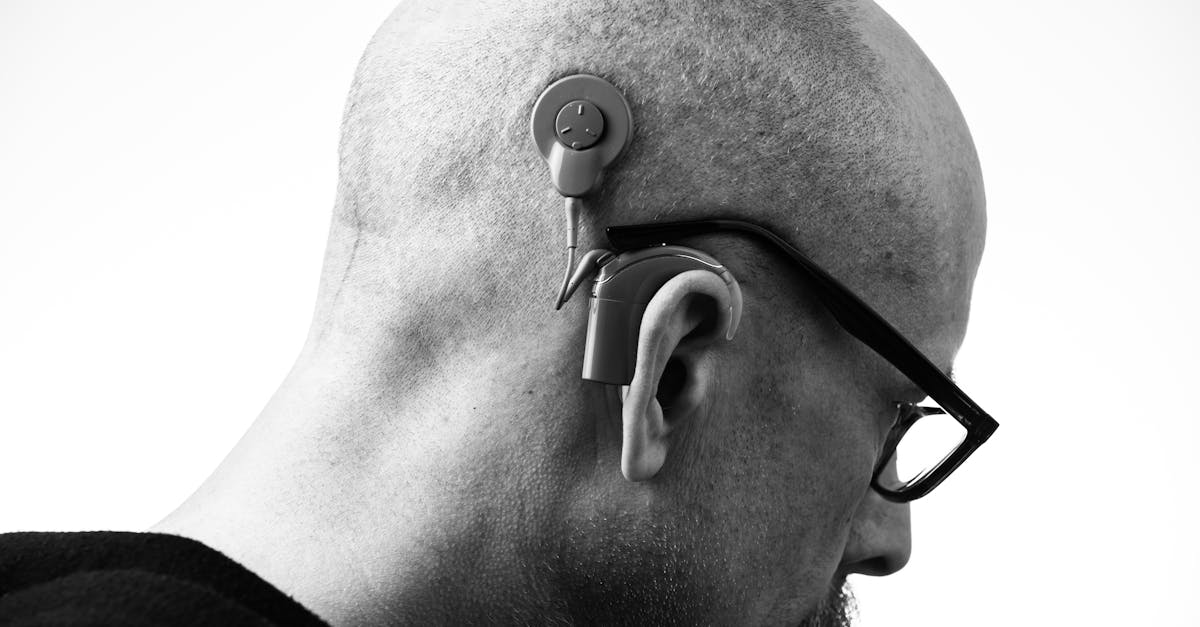
Troubleshooting Intermittent Sound Loss in Hearing Aids
Hearing aids can often experience issues related to feedback and sound interference, which may result in abrupt sound loss. Feedback typically occurs when amplified sound escapes from the ear canal, then re-enters the hearing aid's microphone. This f...
Read more →
Managing Discomfort and Fit Issues with Hearing Aids
Consistent maintenance is essential for ensuring hearing aids remain comfortable and functional. Users should develop a routine that includes daily cleaning to remove debris and moisture. Using a soft cloth or specialised cleaning brushes can help ma...
Read more →
Resolving Battery Drain Problems in Hearing Aids
Battery replacement is essential for maintaining optimal hearing aid performance. Users should be aware of several signs indicating that it is time to replace their batteries. If hearing aids start to sound distorted or intermittently cut out, this m...
Read more →
Fixing Earwax Blockages in Hearing Aids
Many individuals seek natural approaches to manage earwax blockages effectively. One common remedy involves the use of warm olive oil. A few drops in the ear can soften earwax, making it easier for the body to expel it. Another option is using saline...
Read more →
Handling Moisture Damage in Hearing Aids
Hearing aid dehumidifiers serve a vital role in maintaining the functionality and longevity of these devices. By effectively removing moisture, they help prevent issues such as corrosion and damage to sensitive electronic components. These dehumidifi...
Read more →
Troubleshooting Distorted Sound in Hearing Aids
Regular software updates play a vital role in the functionality of hearing aids. Manufacturers frequently release enhancements that improve sound quality, fix bugs, and provide new features. Users should check the compatibility of their devices and e...
Read more →
Addressing Connectivity Issues with Bluetooth Hearing Aids
Regular firmware updates play a crucial role in maintaining the performance of Bluetooth hearing aids. Manufacturers often release these updates to fix bugs, optimise features, and enhance connectivity. These updates ensure that devices remain compat...
Read more →
Dealing with Volume Fluctuations in Hearing Aids
Monitoring changes in hearing aid volume can be challenging for users. Professional guidance can provide valuable insights into adjustments and settings that may enhance the listening experience. Audiologists are equipped to analyse specific issues, ...
Read more →
Identifying and Resolving Feedback in Hearing Aids
Audiologists play a pivotal role in ensuring that individuals achieve the best possible experience with their hearing aids. These professionals possess the expertise to fit and adjust devices according to specific hearing profiles. They conduct compr...
Read more →
The Role of Earwax in Hearing Aid Maintenance
Regular maintenance of hearing aids is essential, but certain signs may indicate the need for professional assistance. If you notice a significant decrease in sound quality or an unusual change in the functioning of your device, these could be early ...
Read more →
Tips for Removing Moisture from Hearing Aids
Climate can significantly impact the performance and longevity of hearing aids. High humidity levels can lead to condensation forming inside the devices, potentially causing damage to the internal electronics. Conversely, extremely dry environments m...
Read more →
Cleaning Hearing Aids: Professional vs DIY Methods
Maintaining your hearing aids in optimal condition requires careful selection of cleaning solutions. It is crucial to choose products specifically designed for hearing aid care. Using harsh chemicals or household cleaners can damage the delicate comp...
Read more →
Importance of Regular Cleaning for Hearing Aid Longevity
Regular maintenance is essential for the optimal function of hearing aids. Various cleaning techniques can help maintain hygiene and prevent damage. Using a soft, dry cloth to wipe the external surfaces can remove dirt and oils. Additionally, gentle ...
Read more →
How to Safely Clean Different Types of Hearing Aids
In-the-canal hearing aids are discreet devices that fit snugly within the ear, making them popular for those seeking a low-profile solution to hearing difficulties. Maintaining these aids requires regular cleaning to ensure optimal performance. It's ...
Read more →
Recommended Tools for Hearing Aid Cleaning
Using the appropriate cloth for cleaning hearing aids is essential to maintaining their functionality and prolonging their lifespan. A cloth designed specifically for this purpose prevents scratches and damage to the delicate components. Regular fabr...
Read more →
Common Mistakes to Avoid When Cleaning Hearing Aids
Regular inspection of hearing aids is crucial to identify any potential damage. Users should take a moment each day to examine their devices for cracks, discolouration, or any signs of wear and tear. Neglecting these checks can lead to further compli...
Read more →
Best Practices for Daily Hearing Aid Maintenance
Regular cleaning of hearing aids is essential to maintain sound quality. Dust, debris, and earwax can accumulate on the microphone and speakers, leading to distorted sounds and reduced clarity. Users should clean their devices daily with a soft, dry ...
Read more →
Effective Cleaning Solutions for Hearing Aids
Regular professional maintenance is crucial for hearing aids, ensuring they function optimally. Audiologists are equipped with the right tools and knowledge to perform comprehensive cleaning and identifying issues that may go unnoticed during routine...
Read more →
Success Stories: Telehealth Support for Hearing Aid Users in Cheshire
Hearing aid users often face unique challenges that can hinder their ability to access essential support and services. Many individuals experience difficulties understanding amplification technology, which can lead to frustration and discourage regul...
Read more →
Step-by-Step Guide to Cleaning Your Hearing Aids
Filters and wax guards play a crucial role in maintaining the quality of sound produced by hearing aids. Regular cleaning is essential to prevent blockage caused by accumulated earwax and debris. Begin by gently removing the filter or wax guard from ...
Read more →
Understanding the Telehealth Process for Hearing Aid Users in Cheshire
Telehealth offers an innovative approach to troubleshooting the various issues users may encounter with their hearing aids. During a virtual consultation, audiologists assess performance through guided steps, prompting users to perform simple tasks l...
Read more →
Overcoming Barriers to Hearing Aid Care through Telehealth in Cheshire
Telehealth platforms have emerged as powerful tools for enhancing patient education in the realm of hearing aids. These digital resources allow patients to access a range of informative materials, including instructional videos and interactive webina...
Read more →
The Role of Telehealth in Managing Hearing Loss in Cheshire
Telehealth leverages a variety of technologies to enhance the management of hearing loss. High-definition video conferencing tools enable audiologists to conduct remote consultations, allowing for real-time interaction between professionals and patie...
Read more →
Telehealth Tips for Effective Hearing Aid Usage in Cheshire
Proper maintenance of hearing aids is essential for optimal performance. Regularly checking for any blockages in the microphone and receiver can prevent sound distortion. Users should also keep their devices dry, as moisture can significantly impair ...
Read more →
Remote Troubleshooting for Hearing Aids: A Guide for Cheshire Residents
A variety of software options are available to assist users in troubleshooting their hearing aids from the comfort of their own homes. Many manufacturers offer dedicated applications designed to interface with their devices, allowing for real-time ad...
Read more →
Virtual Consultations: Enhancing Hearing Aid Support in Cheshire
Many individuals using hearing aids encounter a variety of challenges that can impact their overall experience. One common issue is the difficulty in adjusting to new devices, especially when it comes to understanding settings and features. Many user...
Read more →
Accessing Audiological Services via Telehealth in Cheshire
Telehealth has emerged as a vital resource for addressing various audiological concerns. Individuals commonly seek assistance for hearing loss, where remote consultations facilitate preliminary assessments and tailored management plans. Another preva...
Read more →
How Telehealth is Transforming Hearing Aid Care in Cheshire
Telehealth has revolutionised the delivery of healthcare, especially in the realm of hearing aid services. The integration of advanced technology has enabled audiologists to provide remote consultations and real-time support. Patients are no longer c...
Read more →
FAQs About Custom Hearing Aid Services in Cheshire
The investment in custom hearing aids can vary significantly based on several factors. These include the technology used, the complexity of the hearing loss, and the specific features tailored to individual needs. Generally, patients should expect to...
Read more →
The Benefits of Telehealth Support for Hearing Aid Users in Cheshire
In the evolving landscape of healthcare, personalised care plans stand out as essential tools for optimising the experience of hearing aid users. These plans consider individual preferences, lifestyle, and specific hearing challenges. Tailoring suppo...
Read more →
Innovations in Custom Hearing Aid Technology
The advent of rechargeable hearing aids marks a significant advancement in personal audio devices. These innovations eliminate the need for traditional disposable batteries, offering a more convenient option for users. Many models now come equipped w...
Read more →
How Custom Hearing Aids Can Improve Quality of Life
Hearing loss can lead to feelings of isolation and anxiety, significantly impacting mental health. Individuals struggling to engage in conversations or community activities often experience lowered self-esteem and a sense of disconnection from their ...
Read more →
The Role of Audiologists in Custom Hearing Aid Fitting
Choosing the appropriate hearing aid involves understanding individual hearing loss profiles and lifestyle needs. Audiologists play a critical role in assessing the severity and type of hearing impairment, which informs the selection of the most suit...
Read more →
Common Myths About Custom Hearing Aids Debunked
The belief that hearing aids are bulky and conspicuous has discouraged many individuals from seeking the help they need. In reality, advancements in technology have led to sleeker designs. Many modern options can comfortably fit inside the ear canal,...
Read more →
Personalising Your Hearing Experience with Custom Solutions
The rapid advancements in hearing technology have paved the way for custom hearing solutions that cater to individual needs. These devices are equipped with sophisticated software that analyses a user’s unique auditory profile. This profile is crea...
Read more →
Understanding the Technology Behind Custom Hearing Aids
Modern hearing aids offer a variety of connectivity options that enhance user experience and functionality. Wireless technology allows these devices to connect seamlessly with other electronics, such as televisions, computers, and other audio sources...
Read more →
The Process of Designing Custom Hearing Aids in Cheshire
The journey to custom hearing aids begins with the creation of personalised ear moulds. This process is critical as it ensures a perfect fit for the user's unique ear shape. Skilled audiologists conduct an initial assessment to determine the specific...
Read more →
How to Choose the Right Custom Hearing Aid for Your Needs
Investing in custom hearing aids involves understanding various factors that influence costs. The type of hearing aid, features, and level of technology all play critical roles in determining the price. While basic models may suit some, others may be...
Read more →
The Benefits of Custom Hearing Aids for Enhanced Listening Experience
The lifespan of custom hearing aids often surpasses that of standard models due to their tailored fit and high-quality materials. Custom devices are designed specifically for the wearer, which means they typically experience less wear and tear. This ...
Read more →
The Benefits of Timely Hearing Aid Repairs and Servicing
Neglecting timely repairs for hearing aids can lead to significant financial burdens over time. When devices become faulty, users may unintentionally use them inappropriately, resulting in further damage that would require more complex and expensive ...
Read more →
Signs Your Hearing Aid Needs Servicing
Experiencing difficulties with your hearing aid’s connectivity can be frustrating. Issues often arise during Bluetooth pairing with smartphones or other devices, hampering the seamless auditory experience intended. Regular disconnections or failure...
Read more →
The Role of Cleaning and Care in Hearing Aid Performance
Regular maintenance is crucial for the longevity and functionality of hearing aids. Professional cleaning services offer tailored solutions that ensure devices remain in optimal condition. These services typically involve removing debris, adjusting c...
Read more →
Choosing the Right Repair Service for Your Hearing Aids
The time it takes to repair hearing aids can vary significantly based on several factors, including the complexity of the issue and the repair service's workload. Generally, most services aim to return devices within a week. However, more intricate r...
Read more →
How to Extend the Lifespan of Your Hearing Aids
Regular visits to a hearing professional can significantly enhance the lifespan of your hearing aids. These appointments allow for thorough inspections and necessary adjustments, ensuring that the devices function optimally. During check-ups, profess...
Read more →
Understanding the Warranty and Repair Policies for Hearing Aids
Repair costs for hearing aids can vary significantly based on factors such as the type of damage, the model of the device, and whether the warranty is active. Simple issues, like battery compartment failures or microphone problems, often incur lower ...
Read more →
When to Seek Professional Help for Hearing Aid Repairs
When selecting a repair service for hearing aids, it is essential to consider the provider's experience and reputation. Look for professionals who specialise in hearing aid technology and have a track record of reliable service. Reading customer revi...
Read more →
DIY Hearing Aid Troubleshooting Tips
Finding the right volume level for hearing aids can significantly enhance sound quality and improve overall listening experience. It is important to adjust the volume based on your environment. Loud locations, such as crowded restaurants or busy stre...
Read more →
The Importance of Regular Hearing Aid Maintenance
Regular professional servicing of hearing aids is essential for maintaining their functionality and longevity. Audiologists possess the expertise to identify and address issues that may not be apparent during daily use. Routine check-ups can help opt...
Read more →
Common Issues with Hearing Aids and How to Fix Them
Experiencing discomfort or pain while wearing hearing aids is a common issue faced by many users. Various factors can contribute to this discomfort, including the fit of the device, the materials used in its construction, and prolonged usage. If the ...
Read more →
Frequently Asked Questions About Audiological Assessments in Cheshire
Preparation is key to ensuring a smooth audiological assessment. It is advisable to bring along any relevant medical history or previous hearing test results. Wearing comfortable clothing can also help, as some assessments may involve moving between ...
Read more →
How Audiological Assessments Can Improve Your Quality of Life
Innovative hearing aids are designed to meet individual needs through advanced technology and customised fitting. Audiological assessments play a crucial role in determining specific hearing loss patterns and preferences. Based on these evaluations, ...
Read more →
Audiological Assessments: A Guide for First-Time Patients
Interpreting test results can be daunting for first-time patients. Each part of the audiogram provides critical insights into hearing abilities. The familiar graph plots thresholds over various frequencies, illustrating how well sounds are detected a...
Read more →
The Benefits of Regular Audiological Assessments for Hearing Aid Users
Regular audiological assessments play a crucial role in managing hearing health for those using hearing aids. These evaluations help track any changes in hearing ability, allowing for timely adjustments to amplification strategies. By monitoring hear...
Read more →
Comparing Audiological Assessment Techniques in Cheshire
This technique provides valuable insights into the functionality of the auditory pathways. By recording electrical activity in the brainstem in response to auditory stimuli, clinicians can assess the integrity of the hearing mechanism, particularly i...
Read more →
What to Expect During Your Audiological Assessment in Cheshire
Understanding the results of your audiological assessment is crucial for managing your hearing health. The primary tool used in this evaluation is the audiogram, a graphical representation that displays your hearing thresholds across different freque...
Read more →
Common Hearing Issues Identified Through Audiological Assessments
Exposure to loud noises can lead to irreversible damage to the delicate structures of the inner ear. This type of hearing loss often develops gradually, making it difficult for individuals to recognise the decline until it significantly affects their...
Read more →
The Role of Audiological Assessments in Hearing Aid Fitting
Preparation plays a crucial role in the effectiveness of an audiological assessment. Individuals should gather relevant medical history, including any previous hearing tests and details about ear infections or injuries. Communicating lifestyle factor...
Read more →
How to Prepare for Your Audiological Assessment
Scheduling your audiological assessment requires careful consideration of timing and logistics. Begin by identifying a clinic or audiologist that is conveniently located for you. It may be helpful to check if they are covered by your healthcare provi...
Read more →
Understanding the Importance of Audiological Assessments in Cheshire
The journey towards a comprehensive audiological assessment typically begins with identifying the need for evaluation. Individuals may notice signs such as difficulty in hearing conversations, needing to increase the volume on devices, or experiencin...
Read more →
Success Stories: Transforming Lives with Proper Hearing Aid Fitting
Optimal hearing aid fitting requires a careful assessment of both the individual's hearing loss and lifestyle needs. Audiologists emphasise the importance of taking accurate ear impressions to ensure a comfortable and secure fit. The use of advanced ...
Read more →
Innovations in Hearing Aid Fitting Technology
The integration of artificial intelligence into hearing aids has revolutionised the way these devices function. Advanced algorithms can now analyse a user’s listening environment and make real-time adjustments. This capability allows for enhanced s...
Read more →
The Benefits of Custom Fitted Hearing Aids
Custom fitted hearing aids incorporate advanced technology tailored to meet individual needs. Each device is equipped with features that enhance the listening experience. Noise control and directionality settings can be adjusted based on personal pre...
Read more →
What to Expect During Your Hearing Aid Fitting Appointment
During your appointment, the audiologist will begin by testing your hearing aids to ensure they are functioning correctly. This process often involves checking the amplification and clarity of sound. You may be asked to listen to various sounds and s...
Read more →
Common Questions About Hearing Aid Fitting in Cheshire
Many individuals experience difficulties when first adapting to hearing aids. Some common issues include discomfort due to improper fit, difficulty understanding speech in noisy environments, and managing the volume levels. The initial adjustment per...
Read more →
How to Prepare for Your Hearing Aid Fitting Session
Open communication with your audiologist is essential for a successful hearing aid fitting. Sharing relevant information about your hearing loss history helps them tailor the experience to your needs. Include specifics such as the onset of your heari...
Read more →
Top Tips for Choosing the Right Hearing Aids in Cheshire
Seeking advice from a hearing specialist is an essential step in selecting the right hearing aids. These professionals come with the expertise to assess individual hearing needs and identify the best options tailored to the user’s lifestyle. A thor...
Read more →
The Role of Audiologists in Hearing Aid Fitting
Technology plays a pivotal role in enhancing the effectiveness of hearing aids. Modern devices incorporate sophisticated features such as Bluetooth connectivity, enabling seamless integration with smartphones and other devices. This allows users to s...
Read more →
The Process of Hearing Aid Fitting Explained
Hearing aids are not one-size-fits-all solutions. Each device can be customised to meet the specific needs of the user. This process often begins with a comprehensive audiological assessment. The audiologist gathers detailed information about the ind...
Read more →
Understanding the Importance of Professional Hearing Aid Fitting in Cheshire
Selecting a hearing aid requires careful consideration of individual needs and preferences. The type of hearing loss experienced plays a significant role in this decision. Options range from behind-the-ear models to completely-in-canal designs, each ...
Read more →
Frequently Asked Questions About Bone Conduction Hearing Aids
Selecting an appropriate bone conduction hearing aid involves evaluating several key factors. Understanding your specific hearing needs is paramount. Consult with an audiologist to determine the best solution based on your hearing loss type and lifes...
Read more →
Real User Experiences: Bone Conduction Hearing Aids in Cheshire
Bone conduction hearing aids often face a variety of misconceptions that can lead to confusion among potential users. One prevalent myth is that these devices are suitable only for individuals with profound hearing loss. In truth, bone conduction aid...
Read more →
The Future of Bone Conduction Hearing Aids: Innovations and Trends
Digital technology is transforming the landscape of hearing aids, particularly in the realm of bone conduction devices. Enhanced sound processing capabilities enable these devices to deliver clearer audio directly to the inner ear, bypassing the oute...
Read more →
Maintenance Tips for Your Bone Conduction Hearing Aids
Bone conduction hearing aids are sensitive devices that can be adversely affected by moisture. Exposure to humidity can lead to malfunction or permanent damage. Users should be mindful of environments where water is prevalent, such as rain, swimming ...
Read more →
Comparing Bone Conduction Hearing Aids with Traditional Hearing Aids
Traditional hearing aids excel in amplifying sounds directly into the ear canal, making them particularly effective for a wide range of hearing impairments. They provide a robust option for individuals with sensorineural hearing loss, a common condit...
Read more →
Top Brands of Bone Conduction Hearing Aids Available in Cheshire
Users often share positive experiences about bone conduction hearing aids, highlighting their comfort and effectiveness. Many appreciate the ability to listen to sounds while staying alert to their surroundings, which is particularly beneficial for t...
Read more →
Choosing the Right Bone Conduction Hearing Aid for Your Needs
Bone conduction hearing aids have evolved significantly, integrating a range of advanced features to improve user experience. Many models now offer noise-cancellation technology, which enhances sound quality by filtering out background noise. Additio...
Read more →
How Bone Conduction Hearing Aids Work: A Comprehensive Guide
Proper fitting and adjustment of bone conduction hearing aids is crucial for optimal performance. These devices require a snug fit to ensure efficient sound transmission. When first fitted, users should pay close attention to the positioning of the d...
Read more →
The Benefits of Bone Conduction Hearing Aids for Active Lifestyles
Bone conduction hearing aids are specifically designed to withstand the rigours of active lifestyles. Many models feature robust construction that can resist impact and wear, making them suitable for various outdoor activities. Water resistance is an...
Read more →
Understanding Bone Conduction Hearing Aids for Enhanced Sound Perception
Finding the right fit for bone conduction hearing aids is essential for optimal performance and comfort. This process typically begins with a consultation from a qualified audiologist, who assesses an individual's specific hearing needs and ear anato...
Read more →
Success Stories of Cheshire Residents Using Completely-in-Canal Hearing Aids
Many individuals hold outdated beliefs about hearing aids, often perceiving them as large, cumbersome devices that draw unwanted attention. These misconceptions can deter people from seeking the help they need. In reality, advancements in technology ...
Read more →
Common Myths About Completely-in-Canal Hearing Aids Debunked
Many potential users mistakenly believe that completely-in-canal (CIC) hearing aids lack the ability to deliver high-quality sound. This perception often arises from their compact size, leading to assumptions that they cannot compete with larger, beh...
Read more →
How to Fit Completely-in-Canal Hearing Aids Correctly
When fitting completely-in-canal hearing aids, several adjustments may be necessary to ensure optimal performance and comfort. Audiologists will often begin with an ear inspection to check for any unique anatomical challenges that might affect the fi...
Read more →
Maintenance Tips for Completely-in-Canal Hearing Aids
Moisture can pose a significant threat to the functionality of completely-in-canal hearing aids. Exposure to humidity, sweat, or even accidental splashes can lead to electronic malfunctions. To mitigate this risk, it is essential to store hearing aid...
Read more →
The Impact of Completely-in-Canal Hearing Aids on Daily Life
Regular maintenance of hearing aids is essential to ensure optimal performance and longevity. Proper cleaning should be a part of the daily routine. Users should remove any wax or debris that may accumulate in the device. Special brushes and cloths d...
Read more →
Factors to Consider When Choosing Completely-in-Canal Hearing Aids
When selecting completely-in-canal hearing aids, the degree of customisation available is a crucial factor. Different users have unique listening needs and preferences. Custom fitting ensures that the device not only fits comfortably but also effecti...
Read more →
The Best Completely-in-Canal Hearing Aids Available in Cheshire
Many users appreciate the discreet nature of completely-in-canal hearing aids. These devices are custom-moulded to fit each individual ear, providing a comfortable and secure fit. Their design allows for a more natural listening experience, minimisin...
Read more →
How Completely-in-Canal Hearing Aids Enhance Sound Quality
Completely-in-canal (CIC) hearing aids differ significantly from traditional behind-the-ear devices. Their design allows for a more personalised fit within the ear, resulting in greater comfort and discretion for users. While behind-the-ear models ma...
Read more →
Advantages of Completely-in-Canal Hearing Aids for Users in Cheshire
A key benefit of Completely-in-Canal (CIC) hearing aids is their design, which simplifies cleaning and maintenance. Users appreciate the reduced number of components, which often makes it easier to keep the devices in good operating condition. Regula...
Read more →
Comparing Completely-in-Canal Hearing Aids with Other Types
The sound quality of hearing aids plays a crucial role in enhancing the auditory experience for users. Various factors contribute to overall performance, such as the technology used, design, and adjustments tailored to individual hearing loss profile...
Read more →
Where to Find Receiver-in-Canal Hearing Aids in Cheshire
The price of receiver-in-canal hearing aids varies significantly based on several factors, including brand, technology level, and additional features. Entry-level models typically start at a lower cost, attracting budget-conscious consumers. Mid-rang...
Read more →
Personal Experiences with Receiver-in-Canal Hearing Aids in Cheshire
The transition to using receiver-in-canal hearing aids has significantly impacted many individuals’ social lives. Enhanced clarity in conversations has allowed users to engage more fully during gatherings. This boost in auditory perception also fos...
Read more →
Maintenance Tips for Receiver-in-Canal Hearing Aids
Inspecting your receiver-in-canal hearing aids regularly is crucial to ensure they function at their best. Begin by examining the device for any visible signs of wear and tear. Look for cracks in the casing and check that the microphone openings are ...
Read more →
Common Issues with Receiver-in-Canal Hearing Aids and Solutions
Receiver-in-canal hearing aids can often face challenges related to connectivity, particularly when syncing with devices via Bluetooth. Users may encounter difficulties when attempting to maintain a stable connection with smartphones, tablets, or oth...
Read more →
Latest Innovations in Receiver-in-Canal Hearing Aids
Modern hearing aids are increasingly focused on the needs and preferences of the user, resulting in designs that enhance both functionality and wearability. These devices prioritise a lightweight and discreet profile, allowing for a more comfortable ...
Read more →
Comparing Receiver-in-Canal Hearing Aids with Other Types
Receiver-in-canal (RIC) hearing aids and in-the-ear (ITE) hearing aids both offer distinct advantages tailored to individual preferences. RIC models are known for their superior sound quality due to the speaker being located in the canal, which helps...
Read more →
A Comprehensive Guide to Receiver-in-Canal Hearing Aids
A proper fitting is crucial for maximising the effectiveness of receiver-in-canal hearing aids. During the fitting process, an audiologist will take precise ear impressions to ensure a snug fit while considering individual ear anatomy. This tailored ...
Read more →
How to Choose the Right Receiver-in-Canal Hearing Aid in Cheshire
When choosing a receiver-in-canal hearing aid, it's essential to assess your budget carefully. Prices can vary significantly based on brand, technology, and additional features. Some models may seem more expensive upfront but could offer longer-term ...
Read more →
Benefits of Receiver-in-Canal Hearing Aids for Local Residents
Receiver-in-canal hearing aids employ state-of-the-art technology to enhance user experience and improve sound quality. Many models include features such as directional microphones, which help focus on specific sounds while filtering out background n...
Read more →
Understanding Receiver-in-Canal Hearing Aids in Cheshire
Proper maintenance of hearing aids is essential for their longevity and effective performance. Regular cleaning is crucial to prevent the buildup of wax and debris. Users should gently wipe the devices with a soft cloth daily. It's advisable to remov...
Read more →
Choosing the Right In-the-Ear Hearing Aid for Your Needs
Regular maintenance of in-the-ear hearing aids is essential for optimal performance. Routine cleaning should involve using a soft, dry cloth to wipe down the device and a specialised brush to remove any debris or earwax. Moisture can be detrimental t...
Read more →
User Experiences with In-the-Ear Hearing Aids in Cheshire
Proper maintenance of in-the-ear hearing aids is essential for optimal performance. Regular cleaning should be a part of your routine. Use a soft, dry cloth to wipe the exterior, and consider a wax removal tool to clear any buildup from the speaker o...
Read more →
Hearing Aid Technology Advancements: Focus on In-the-Ear Models
Advancements in hearing aid technology have enabled increased personalisation, allowing users to tailor their devices to meet individual preferences and needs. Modern in-the-ear models come equipped with features that cater to different environments....
Read more →
Comparing In-the-Ear Hearing Aids with Other Types
Hearing aids come in two primary forms: custom fit and standard models. Custom-fit devices are moulded specifically to the contours of an individual's ear, providing a snug and comfortable fit. This tailored approach not only enhances comfort but als...
Read more →
Maintenance Tips for In-the-Ear Hearing Aids
Excess moisture can damage the delicate electronics of in-the-ear hearing aids. It is essential to ensure that the devices are kept dry, particularly in humid environments or during activities that may expose them to water, such as swimming or exerci...
Read more →
Customising In-the-Ear Hearing Aids for Comfort and Fit
The choice of materials in hearing aids plays a critical role in both their performance and comfort. Commonly used materials include medical-grade plastics and silicone, which provide durability while ensuring a lightweight design. The use of hypoall...
Read more →
Top Brands of In-the-Ear Hearing Aids Available in Cheshire
Known for their innovative designs, ReSound offers a range of in-the-ear hearing aids that cater to various hearing needs. Their products feature advanced technology, ensuring excellent sound quality while maintaining a comfortable fit. Many users ap...
Read more →
A Comprehensive Guide to In-the-Ear Hearing Aids in Cheshire
Proper care and maintenance of hearing aids are essential for their longevity and optimal performance. Regular cleaning should be a part of your routine, as wax and moisture can accumulate and impair functionality. Use a soft, dry cloth to clean the ...
Read more →
How In-the-Ear Hearing Aids Enhance Sound Clarity
Hearing aids have become increasingly sophisticated, offering users the ability to adjust settings according to varying acoustic environments. Many in-the-ear models now feature advanced technology that automatically detects background noise levels. ...
Read more →
Innovations in Behind-the-Ear Hearing Aid Design
The evolution of hearing aids has significantly shifted towards more appealing designs, catering to a broader audience. Manufacturers have recognised the need for devices that not only function effectively but also integrate seamlessly into the weare...
Read more →
Advantages of In-the-Ear Hearing Aids for Users in Cheshire
In-the-ear hearing aids offer seamless integration with various devices, enhancing the user experience significantly. Many models are equipped with Bluetooth technology, enabling direct connectivity to smartphones, televisions, and other gadgets. Thi...
Read more →
Cost Considerations for Behind-the-Ear Hearing Aids
When investing in behind-the-ear hearing aids, potential users should be mindful of costs that extend beyond the initial purchase. Regular maintenance, such as battery replacements and routine servicing, is essential to ensure optimal performance, an...
Read more →
User Experiences with BTE Hearing Aids in Cheshire
Recent developments in technology have significantly enhanced the performance of behind-the-ear (BTE) hearing aids. Modern devices now feature advanced digital signal processing, allowing for better sound quality and improved speech recognition in va...
Read more →
Comparing BTE Hearing Aids with Other Types
When evaluating hearing aids, cost plays a significant role in the decision-making process. BTE hearing aids tend to be priced differently than other types, such as ITE or ITC models. Their budget-friendly options often appeal to individuals seeking ...
Read more →
Maintenance Tips for Behind-the-Ear Hearing Aids
Regular software updates play a crucial role in enhancing the performance of behind-the-ear hearing aids. Manufacturers often release updates that include improvements to sound quality, battery life, and overall functionality. Users should check for ...
Read more →
The Latest Technology in Behind-the-Ear Hearing Aids
Modern behind-the-ear hearing aids are equipped with advanced noise reduction technologies that significantly enhance the listening experience in various environments. These devices employ a combination of directional microphones and sophisticated di...
Read more →
Common Issues with Behind-the-Ear Hearing Aids and Solutions
One of the most common complaints among users of behind-the-ear hearing aids is the battery life. Users often find themselves needing to replace or recharge their batteries more frequently than expected. This issue can arise from various factors, inc...
Read more →
Benefits of Behind-the-Ear Hearing Aids for Seniors
Hearing loss can significantly hinder everyday activities and diminish social interactions. Behind-the-ear hearing aids offer a practical solution by amplifying sounds and enhancing clarity in various environments. With these devices, seniors can enj...
Read more →
How to Choose the Right BTE Hearing Aid in Cheshire
Considering the costs associated with purchasing a BTE hearing aid is essential for anyone in need of auditory assistance. Prices vary significantly based on features, technology, and brand reputation. It's advisable to outline a budget that takes in...
Read more →
Understanding Behind-the-Ear Hearing Aids in Cheshire
Users often experience sound distortion with behind-the-ear hearing aids. This issue can stem from various factors, including improper fitting or wax buildup in the ear. When the device does not fit snugly, sound may not be transmitted effectively, l...
Read more →